


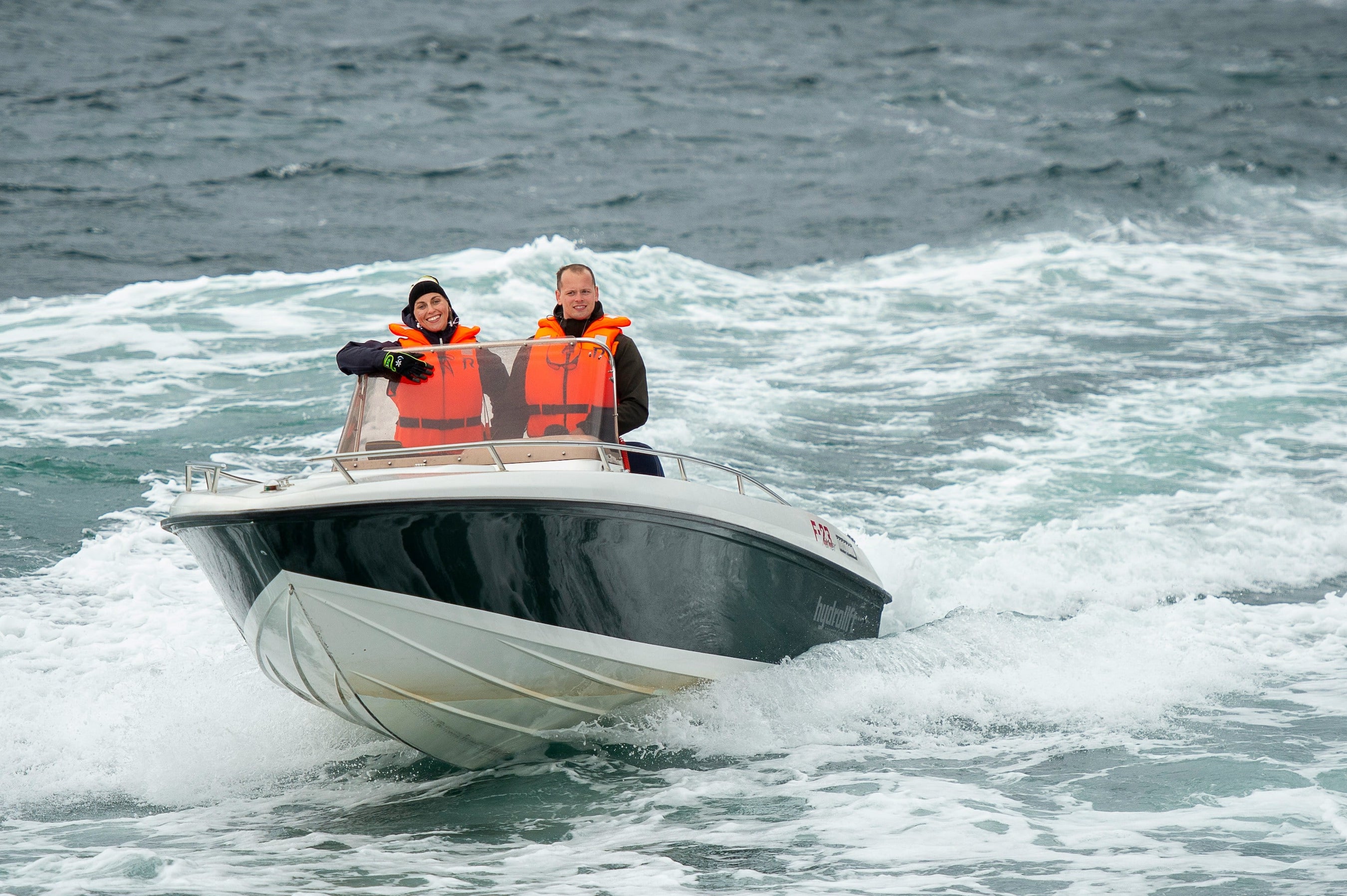
Automatic life jackets are essential equipment for safety at sea, but their effectiveness depends entirely on their good condition and correct use. Unfortunately, many boaters and sailors think that wearing a vest is enough to be protected, without realizing that several common mistakes can seriously compromise its functioning at a critical moment. Between expired cartridges, faulty trigger mechanisms, inappropriate settings, and a lack of regular maintenance, there are more opportunities to put your life at risk than you might think. Understanding these common mistakes and knowing how to avoid them can be the difference between a successful rescue and a tragedy at sea. This article guides you through the most common pitfalls associated with automatic vests and offers you concrete solutions to guarantee your safety and that of your crew during each sea trip.
Why using an automatic vest properly is essential
Marine safety equipment is your ultimate line of defense in the event of an incident at sea. The automatic life jacket embodies technological innovation in the service of survival, but this sophistication also brings its share of responsibilities. Unlike the old models with manual inflation, these vests use automatic systems based on CO₂ cartridges and trigger mechanisms sensitive to water, whether they are water-soluble pellets or hydrostatic.
The risks associated with misuse or lack of maintenance are considerable. A faulty vest won't inflate by the time you fall into the water, leaving you without buoyancy in an already critical situation. Statistics show that many fatal accidents at sea involve people wearing vests that have not worked properly, often due to neglected maintenance or unfamiliarity with the product.
The operation of an automatic vest is based on a simple but ingenious principle. When the device detects an immersion, the trigger mechanism punctures the CO₂ cartridge, releasing the gas that instantly inflates the vest's air chamber. This process, which only takes a few seconds, provides you with the buoyancy you need to keep your head above water, even if you are unconscious. However, each component must be in perfect working condition for this sequence to take place properly.
The most common mistakes when using an automatic vest
1. Do not check the expiry date of the CO₂ cartridge
The CO₂ cartridge is the heart of the automatic inflation system, and yet it remains the element most often overlooked by boaters. This small metal bottle contains the pressurized gas that will save your life, but it has a limited lifespan. Contrary to popular belief, a cartridge can degrade even without having been used, in particular because of internal corrosion or imperceptible micro-leaks.
Checking the cartridge regularly should become a reflex before each sailing season. There are several signs that can identify an expired or damaged cartridge. First, look at the date of manufacture engraved on the metal body, which is usually expressed in months and years. Most manufacturers recommend replacement every three years, even if the cartridge has never been used. Then weigh the cartridge on a precision scale and compare its weight to that indicated on the original packaging. Even minimal weight loss indicates a gas leak that will make inflation incomplete or impossible.
The external appearance of the cartridge also reveals its condition. Look for signs of corrosion, rust, or verdigris, especially around the screw thread and the joint. These signs indicate that moisture has entered the system and compromised the watertightness. A dented or deformed cartridge should be replaced immediately, as its weakened metal structure could fail at the wrong time. Finally, check that the O-ring at the base of the cartridge is soft and in good condition, without cracks or hardening that could cause leaks.
2. Forgetting to control the trigger mechanism
The trigger mechanism represents the brain of your automatic vest, and its failure means the total failure of the system, even with a new cartridge. There are two main families of mechanisms, each with its advantages and specific points of vigilance.
Water-soluble pellet systems work thanks to a small compressed pellet that dissolves upon contact with water, thus releasing a spring that perforates the cartridge. This device, which is older and generally less expensive, has a particular sensitivity to ambient humidity. Simple repeated exposure to spray or storage in a humid environment can gradually degrade the pellet, making it friable or partially dissolved even before you are immersed. The hydrostatic system, on the other hand, uses water pressure to trigger the mechanism. More reliable and less sensitive to atmospheric conditions, it is activated only at a certain depth of immersion, generally between ten and fifteen centimeters.
The symptoms of a faulty mechanism are sometimes subtle. On a pellet system, observe the inspection window if your model has one. The pellet should appear white and compact, with no discolored or friable areas. If it has a greenish or yellowish hue, or if it seems to have retracted, it must be replaced. For hydrostatic systems, check for limescale or debris that could block the mechanism. Lightly shake the case close to your ear: you should not hear any loose parts or jams.
The water-soluble pellet requires annual replacement under conditions of normal use, or immediately after prolonged exposure to humidity. Hydrostatic systems generally have a longer lifespan, often two to five years depending on the manufacturer, but nevertheless require a thorough annual inspection and replacement as soon as the slightest doubt arises about their operation.
3. Never test or activate the vest manually
Many owners of automatic vests consider the test to be an unnecessary expense, thinking in this way to preserve their equipment. This mentality is a potentially fatal error. The annual test not only allows you to check the proper functioning of the inflation system, but also to check the tightness of the bladder and to familiarize yourself with the sensations provided by an inflated vest.
The importance of the annual test goes beyond the simple technical check. It also allows you to practice using the emergency manual inflation system, a crucial skill should the automatic mechanism fail. In addition, handling your vest regularly reinforces your confidence in this equipment and reduces the risk of panic in a real situation.
For a safe test, choose a controlled environment, ideally above a pool or on a dock. Prepare a complete rearmament kit in advance, including a new cartridge and, if necessary, a new pellet or mechanism. Start by operating the manual inflation handle rather than triggering the automatic mechanism, which will preserve the automatic mechanism for later testing if you wish. Observe the inflation rate and listen carefully for possible gas leaks. Once the vest is fully inflated, keep it submerged in water for several minutes to spot bubbles that would indicate a bladder puncture.
After inflation, leave the vest inflated for 24 hours to check that it maintains its pressure. A healthy bladder should only lose a small fraction of its firmness during this time. Then deflate the vest by opening the valve provided for this purpose, then proceed with the complete reset according to the manufacturer's instructions.
4. Wearing a vest that is poorly adjusted or positioned incorrectly
A life jacket, even perfectly functional, loses dramatically its effectiveness if it is not properly adjusted to your body type. This error, which is extremely common, turns sophisticated safety equipment into a simple cumbersome accessory that could even worsen your situation in the event of a fall into the water.
The problems associated with poor adjustment are multiple and serious. A vest that is too loose may come up over your head during inflation, putting your face in the water instead of keeping you in a secure vertical position. On the other hand, a vest that is too tight hampers your movements and can be so uncomfortable that you may be tempted to loosen or remove it while sailing. Some poorly positioned models can also interfere with access to deck equipment or winches, creating a false impression of incompatibility between safety and efficiency.
To get an optimal fit, start by putting the vest on top of the clothes you'll actually be wearing while sailing, as the thickness of your clothing layers greatly influences how tight you need to be. First, position the vest centered on your chest, with the folded bladder at the level of your chest. Then pass the waist straps and adjust them firmly, but not excessively. A good adjustment allows you to slide one hand flat between the vest and your body, without extra space. Then buckle the crotch strap if your model has one, as it effectively prevents the vest from climbing up in the event of a fall.
Test your fit by performing the movements typical of your nautical activity: leaning forward, raising your arms, turning your chest. The vest should stay securely in place without slipping or sawing your neck. Ask a teammate to pull firmly up the shoulders of the vest: if the vest goes up more than a few centimeters, tighten the straps.
5. Forget to rearm the vest after triggering
After a trigger, whether voluntary during a test or accidental, the vest is in a disarmed state that makes it completely unusable. This situation seems obvious when described, but in practice, many navigators carelessly put their vests back in their trunk after an incident, completely forgetting the need for rearmament.
The signs that a vest has not been rearmed are generally clear to the trained eye. The CO₂ cartridge has a visible puncture hole at the top, and it appears significantly lighter than a new cartridge. The trigger mechanism stays in the open position, and on some models, a color indicator changes from green to red. The bladder, even when carefully folded, often keeps traces of creasing that are different from its original condition. Unfortunately, these signs go unnoticed when the vest stays in its bag or storage locker.
The correct rearming procedure requires method and attention. Start by fully deflating the bladder by opening all the valves and gradually squeezing the tissue to remove any residual air. Inspect the bladder carefully for tears, punctures, or weakened areas that may have occurred during the incident. Then remove the used cartridge by carefully unscrewing the attachment mechanism, then replace the water-soluble tablet or reset the hydrostatic system according to instructions specific to your model.
Install a new cartridge by checking that the O-ring is correctly positioned and that the thread can be screwed on without force. Carefully fold the bladder according to the folding diagram provided by the manufacturer, as poor folding can slow inflation or create stress points that encourage tearing. Reinstall the trigger mechanism and check that the status indicator, if any, displays the armed position. Note the date of re-arming on your maintenance book and on a label attached to the vest.
6. Use a vest that is unsuitable for the activity being performed
The market offers a wide variety of automatic life jackets, each designed to meet the specific requirements of a particular nautical activity. However, many boaters use the same vest for all their outings, whether they are sailing in coastal areas, crossing the Bay of Biscay or taking part in a regatta.
The differences between vest categories are substantial and meet specific safety standards. A 50 Newton coastal vest offers sufficient buoyancy for navigation in the immediate vicinity of the coast, in calm waters and with rapid rescue. Its compactness makes it comfortable, but it does not guarantee the rollover of an unconscious person into a dorsal position. 150-Newton offshore vests, on the other hand, provide considerably greater buoyancy, capable of automatically returning an unconscious person to keep their airways out of the water, even in a rough sea.
Regatta vests favor freedom of movement and lightness, with very thin profiles that do not hinder fast maneuvers. Their reduced buoyancy makes them exclusively suitable for navigation with numerous and vigilant crews, where a man overboard will be spotted and recovered in the minutes following his fall. In contrast, vests for professional fishing or solitary sailing often incorporate additional equipment such as safety harnesses, reinforced protective covers against addicts, and sometimes individual distress beacons.
To choose the right model for your use, honestly assess the conditions in which you are sailing. If you go out with your family for coastal walks, a 100 Newtons vest is an excellent compromise between comfort and safety. For offshore crossings or nocturnal sailing, accept nothing less than a 150 Newtons model with a turning cap. Also consider the built-in equipment: a whistle and a signal lamp are essential accessories, while a harness system with lanyard becomes essential for solo navigation or in heavy weather.
7. Improper vest storage
Storing your life jacket has a direct influence on its lifespan and reliability. Unfortunately, this dimension of the interview remains largely underestimated, with consequences that often only occur at the critical moment when the vest should be triggered.
The consequences of prolonged exposure to moisture affect all components of the vest. The water-soluble pellet gradually degrades, losing its compactness and reactivity. CO₂ cartridges develop external corrosion that can progress inwards, compromising watertightness. The tissue of the bladder and the outer shell also suffers, with the appearance of molds that weaken the fibers. Exposure to the sun and UV rays causes synthetic materials to age more quickly, making the fabric brittle and porous. Straps lose their elasticity and strength, while plastic buckles become fragile and can break under stress.
Good storage practices start with thorough cleaning and drying after each use at sea. Rinse the vest in fresh water to remove salt, spray, and organic residues, then hang it up in a ventilated area away from direct sunlight until completely dry. Never fold a vest that is still wet, as this encourages the development of mold in the folds. Once dry, store the vest in a cool, dry, and dark place. A ventilated locker inside the boat is fine, as long as it is not located near the engine or a heat source.
Absolutely avoid leaving your vest in the cockpit or on the deck while the boat is at anchor or in port, as temperature variations and nighttime humidity significantly accelerate its degradation. If you store your vest on the ground during the winter, place it in its original protective cover or in a breathable fabric bag, never in a waterproof plastic bag that would trap residual moisture. Remember to remove the CO₂ cartridge for extended storage of several months, as this reduces the stress on the joint and limits the risk of corrosion.
Best practices to avoid these mistakes
Do a complete inspection before each trip
Pre-navigation inspection is your first line of defense against equipment failures. This routine, which only takes a few minutes, can literally save your life and should become as automatic as checking navigation lights or fuel levels.
Develop a systematic inspection ritual, always following the same order to never forget an item. Start with a general visual examination of the vest, looking for rips, suspicious stains, or signs of abnormal wear. Then check the condition of all the seams, especially at stress points such as the strap attachments. Check the CO₂ cartridge by inspecting its date, weight, and absence of corrosion. Examine the trigger mechanism through its inspection window or by checking the status indicator according to your model.
Then test all straps and buckles by manipulating them to make sure they slide freely and lock properly. Check the presence and proper functioning of all accessories: whistle, signal lamp, retroreflective tape, and specific equipment such as the harness if your model has one. Put on the vest and adjust it to confirm that the settings are still appropriate, especially if others have worn it or if you have changed your clothes since the last ride.
This thorough inspection also familiarizes you with your equipment, reducing emergency response time. In addition, it creates a safety culture on board that encourages all crew members to take their protection seriously.
Respect the manufacturer's recommendations
Life jacket manufacturers invest heavily in research and development to create reliable products. Their maintenance and use recommendations are not just commercial suggestions, but reflect years of testing, feedback and regulatory changes.
The user manual that comes with your vest contains information specific to your model that generic advice cannot replace. Keep this document on board in a waterproof pouch, or better still, photograph it with your phone so you can always access it. In it, manufacturers specify replacement intervals for each component, specific test procedures, and often detailed diagrams for rearming.
Use only replacement parts recommended or approved by the manufacturer. A seemingly identical CO₂ cartridge from a different brand may have slightly different dimensional or pressure characteristics that will affect inflation. Likewise, water-soluble pellets are not interchangeable between brands, as their chemical composition is calibrated to work with a specific mechanism.
Strictly respect the limits of use defined by the manufacturer. A vest designed to support a maximum weight of 120 kilograms does not guarantee adequate buoyancy for a heavier person, even if it seems to function normally. Likewise, never use a vest beyond its maximum recommended lifespan, which is usually indicated on the inner label, even if it still appears to be in good condition.
Perform a thorough annual maintenance
In addition to regular inspections, thorough annual maintenance is required to keep your vest in optimal condition. This comprehensive review goes far beyond a simple glance and requires time and sustained attention to every detail.
Choose a time of year to do this maintenance, ideally before the start of the boating season. Start with a thorough cleaning by gently washing the vest in warm soapy water, without using aggressive detergents that could damage technical materials. Rinse thoroughly and allow to dry completely before continuing with the inspection.
Carefully examine every square inch of the bladder tissue, inflating it manually to make it easier to detect micro punctures. Immerse the inflated vest in a bathtub or pool and carefully observe the presence of bubbles that would indicate a leak. Test all valves to make sure they open and close properly, without excessive resistance or abnormal play.
Systematically replace certain components during this annual review, even if they still seem to be functional. The water-soluble tablet falls into this category, as do the cartridge O-rings if your model uses them. Take this opportunity to perform a comprehensive inflation test that will simultaneously verify the proper functioning of all elements of the system.
Document this annual maintenance in a safety equipment logbook. Note the date, parts replaced, specific observations, and test results. This traceability helps you anticipate future maintenance needs and is valuable evidence in the event of regulatory control or disaster.
Train the crew in the correct use of automatic vests
The best lifesaving technology is useless if the people who use it don't understand how it works. Systematically training all members of your crew, whether regular or casual, is a minimal investment that exponentially multiplies your overall safety level.
Organize a briefing session at the start of each season, or before sailing with new crew members. Physically demonstrate each element of the vest by explaining its function. Demonstrate how to properly put on and adjust the vest, then have each person practice under your supervision. Many people have never handled an automatic vest and may feel intimidated by its apparent complexity.
Clearly explain the difference between automatic triggering and emergency manual inflation. Show the position of the manual inflation handle and emphasize that it remains operational even if the automatic mechanism fails. Also practice oral inflation, this ultimate emergency technique that can be life-saving if the cartridge system malfunctions completely.
Discuss situations that can accidentally trigger the vest, such as a particularly large wave that temporarily overwhelms you on deck, and explain what to do in the event of an unexpected trip. This knowledge reduces panic and allows the crew to respond effectively.
If possible, organize a practical demonstration in real conditions, for example during a training trip where a volunteer team member tests their vest in water under supervision. This first-hand experience provides trust and familiarity that cannot be obtained through simple theoretical explanations. Moreover, innovative solutions such as the Oria Marine IoT box can usefully complement this approach by automatically monitoring the critical parameters of your security equipment and alerting you in the event of an anomaly detected.
Quick check guide: checklist before boarding
Before each sea trip, follow this systematic verification sequence that only takes a few minutes but can make all the difference in a critical situation.
Start by checking the CO₂ cartridge by checking for three essential elements. First, visually examine the metal body of the cartridge for the absence of corrosion or damage. Then check that the date of manufacture engraved on the cartridge remains within the limits recommended by the manufacturer, generally a maximum of three years. Finally, if you have a precision scale on board, weigh the cartridge to confirm that it has not lost gas. Note that this last check, although very reliable, is still optional for a quick daily check.
Continue by examining the trigger mechanism by type. For a water-soluble pellet system, observe the inspection window if it exists and verify that the pellet appears white, compact, and undamaged, without discoloration or discoloration. If your vest uses a hydrostatic system, confirm that the status indicator shows the correct signal and that there is no visible debris obstructing the mechanism. Gently shake the mechanism housing near your ear to detect any abnormal noises that suggest a loose or damaged component.
Then check the overall condition of the vest by performing a complete visual and tactile inspection. Run your hands over the entire surface of the vest to spot rips, loose stitching, or areas of excessive wear. Pay particular attention to high-stress points such as strap attachments and usual areas of friction. Examine the retroreflective strips to make sure they haven't lost their grip or reflective ability. Inspect the bladder fabric through the openings in the vest, looking for signs of mold or deterioration.
Then mount the vest on you and adjust it carefully. Put the vest on top of the clothes you will actually be wearing while sailing, as the thickness of the layers influences the adjustment needed. Position the vest centered on your torso, then close and tighten the waist straps starting at the bottom and working your way up gradually. Adjust each strap for a firm but comfortable fit that allows one hand to slide flat between the vest and your body. Check that the vest does not go up excessively when you raise your arms above your head and that it remains well positioned when performing the movements typical of your activity on board.
Finish by checking the presence and condition of the essential accessories. Confirm that the whistle is securely attached and makes a loud sound when blown. Test the signal lamp by activating its button, then check that the battery has sufficient charge if it is replaceable. If your vest includes a safety harness, check the condition of the lanyard and the carabiners, especially testing the proper functioning of the opening system under load. Check the presence of the cable cutter if your model has one, this tool that is potentially vital in case of entanglement in ropes. Ensure that all of this equipment is not only present but also easily accessible and functional.
This systematic checklist, repeated before each trip, turns the security check into an automatic routine that does not slow down your preparation while maximizing your chances of survival in the event of an incident.
FAQ: frequently asked questions about automatic vests
How often do you check a CO₂ cartridge?
The CO₂ cartridge requires a visual check before each sea trip, looking primarily for signs of corrosion, deformation, or physical damage. A more thorough weight check should ideally be done monthly if you sail regularly, or at least at the beginning of each season. Always replace any cartridge that is more than three years old from the date of manufacture, even if it has never been used and appears to be in perfect condition. A cartridge that shows the slightest sign of corrosion, dent, or weight loss should be replaced immediately, without waiting for the end of its theoretical lifespan.
How do I know if my vest is still approved?
The certification of a life jacket depends on several factors that go beyond the simple date of manufacture. First, look for the certification label on your vest, which indicates the standard met and often a date of manufacture or expiration. In Europe, compliant vests bear the CE mark accompanied by the number of the notified body and the reference to the EN ISO 12402 standard. Most manufacturers recommend a complete replacement of the vest after ten years of use, as the materials gradually degrade even with impeccable care. However, a vest may lose its certification before this deadline if it has suffered significant damage, unauthorized repairs, or if regulatory changes have made it obsolete. Check the manufacturer's website regularly or contact customer service to check that there is no recall campaign for your model.
Can you repair an automatic vest yourself?
Repairing an automatic vest should be approached with great caution, because your life depends on the integrity of this equipment. Some simple interventions remain within the reach of an attentive user, such as replacing the CO₂ cartridge, changing the water-soluble tablet or replacing removable accessories such as the whistle or the lamp. On the other hand, any repair involving the buoyancy bladder, the structural seams, the trigger mechanism or the support straps must be carried out by a professional approved by the manufacturer. Commercially sold repair kits to seal small bladder punctures may seem tempting, but they often compromise the certification of the vest and offer only uncertain reliability. A vest properly repaired by a professional is certainly more expensive in the short term, but this expense is still paltry compared to the price of a failure in a critical situation. If your vest has significant or multiple damages, a complete replacement is generally the wisest and most economical option in the long run.
What should I do if the vest is triggered by mistake?
An untimely trigger, while embarrassing and expensive, is not an emergency if you stay on board the boat. Start by checking your immediate safety by making sure the inflated vest isn't hampering your dangerous movements or unbalancing you near the edge. If you need to regain your mobility immediately, partially deflate the vest by opening the deflation valve slightly, but maintain some buoyancy until you put on another functional vest. Once the situation has stabilized and if you have a spare vest on board, you can completely deflate the triggered vest. Inspect the bladder carefully for possible damage that occurred during inflation. If the trigger occurred due to a wave or heavy spray, note the weather conditions to assess whether your vest is too sensitive for the conditions in which you are sailing. A water-soluble pellet system can sometimes be triggered in extreme humid conditions where a hydrostatic system would have resisted better. Rearm completely as soon as possible, preferably before you go back to sea, and consider this triggering as an opportunity to verify that all components are working properly.
What is the best type of vest for offshore sailing?
For offshore navigation, a vest of at least 150 Newtons is essential, as this category offers the buoyancy necessary to automatically return an unconscious person to a dorsal position, thus keeping their airways out of the water. Choose a model equipped with a rollover cape and an integrated safety harness, as you will most likely have to remain attached to the boat during maneuvers in heavy weather. The hydrostatic trigger system has a significant advantage in offshore navigation, as it is more resistant to untimely triggers caused by sea spray and sea packs that regularly sweep the bridge. Also look for a model with a durable cover that protects the mechanism and the bladder from UV and abrasion caused by the numerous manipulations. Essential additional equipment includes an automatic emergency lamp, high-quality retroreflective strips, and ideally a place to attach an individual emergency beacon. The color of the vest is also important: opt for a highly visible shade such as orange or bright red that stands out clearly from the color of the sea. Finally, make sure that the vest is comfortable enough to be worn for long hours, because when sailing offshore, you will often keep it on for your entire shift.
Do automatic vests work in the rain or in case of waves?
This question reveals a legitimate concern for many navigators, and the answer depends essentially on the type of trigger mechanism installed on your vest. Water-soluble pellet systems, which are older and generally less expensive, actually have a sensitivity to humidity that can be a problem under certain conditions. Occasional fine rain or spray will not normally trigger the vest, but prolonged exposure to large sea packs or an extremely humid environment can gradually alter the pellet and, in rare cases, cause an untimely trigger. Manufacturers have significantly improved the strength of these pellets over the years, but the risk, while low, does exist. Hydrostatic systems, on the other hand, offer much better resistance to humid conditions. Their mechanism only reacts to the hydrostatic pressure of a real immersion, generally from a depth of ten to fifteen centimeters. They can therefore easily endure rain, spray and even waves that temporarily submerge the bridge without triggering. This characteristic makes them particularly suitable for navigation in heavy weather or offshore. If you frequently navigate in difficult weather conditions, the additional investment in a hydrostatic system is fully justified by its superior reliability and the elimination of the stress associated with potential untimely triggering.
When should a life jacket be completely replaced?
There are several signs that should alert you to the need to completely replace your life jacket rather than simply replacing individual components. Age is the first criterion: most manufacturers recommend replacement after ten years of use, regardless of the frequency of use and the apparent condition of the vest. The synthetic materials used in construction inevitably degrade over time under the effects of UV, oxidation and repeated mechanical stresses, even if this degradation remains invisible to the naked eye. A vest with significant structural damage should also be replaced: multiple tears in the bladder, unstitched seams over a significant length, frayed or broken straps, cracked or deformed buckles. If your vest has been triggered and re-armed several times, inspect it even more closely, as repeated inflation and deflation cycles fatigue the bladder and increase the risk of future failure. Regulatory obsolescence can also justify a replacement: some old models no longer meet current standards and may no longer even be covered by insurance in the event of a claim. Finally, if you notice that spare parts for your model are becoming difficult to find, it is probably a sign that the manufacturer has stopped supporting this model and that a replacement is in order. The cumulative cost of multiple repairs and parts replacements can quickly approach the price of a new vest, making complete replacement more economical in the medium term.
Conclusion
Vigilance and regular maintenance of your vest are not just optional recommendations, but represent moral obligations to yourself and your crew. Every error avoided, every careful check done, every component replaced at the right time contributes to building that safety chain that could one day mean the difference between life and death.
The risks avoided through the correct use of your automatic vest go well beyond your person alone. A faulty vest turns a minor incident into a tragedy that deeply affects your family, crew, and the entire maritime community. The emergency services mobilized to search for a missing person at sea represent considerable resources that cannot be deployed simultaneously for other emergencies. Prevention, as tedious as it may sometimes seem, is still infinitely preferable to the consequences of negligence.
Start a regular check-up routine today that will quickly become second nature. Integrate checking your vest into your preparation sequence in the same way as checking the weather or planning your route. Document your interventions, share your best practices with other navigators, and do not hesitate to invest in quality equipment and their professional maintenance. Your automatic life jacket is your last line of defense against the dangers of the sea: treat it with the respect and attention it deserves, and it will protect you faithfully during all your sailing. The sea does not forgive improvisation or carelessness, but it does reward those who sail with preparation, humility, and respect for fundamental safety regulations.


